


The reception of Ukrainian refugees in Norway: Experiences of refugees and frontline workers
When: April 23, 11.00-12.50
Where: Niagara Building, room TBA
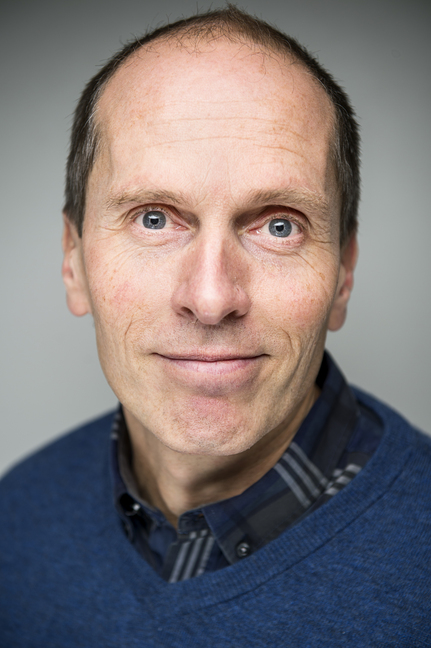 Prof. Aadne Aasland’s presentation will address the following:
1. How do Ukrainian refugees experience their settlement and integration in Norway?
2. What are the frontline workers’ assessments of challenges and opportunities related to the settlement and integration of Ukrainian refugees?
3. What similarities and disparities are there between the Ukrainian refugees and the frontline workers’ assessments and perspectives, and what are the main challenges and dilemmas?
Bio
Aadne Aasland is a research professor at Oslo Metropolitan University, and conducts research on social welfare, migration and integration, ethnicity, and diversity, with a particular focus on Russia, Ukraine, and the Baltic countries. Currently, he is leading a project on Norwegian cooperation with Russia on health and welfare in the Barents region (RE:Barents) and participating in a project on how Russia promotes its interests in Norway and Western Europe (PRORUSS). Recently, Aadne completed a major project on addressing regional diversity in Ukraine (ARDU). Read more here: https://www.oslomet.no/en/about/employee/aadnea/
 When: March 12, 2024, 15.15-16.30
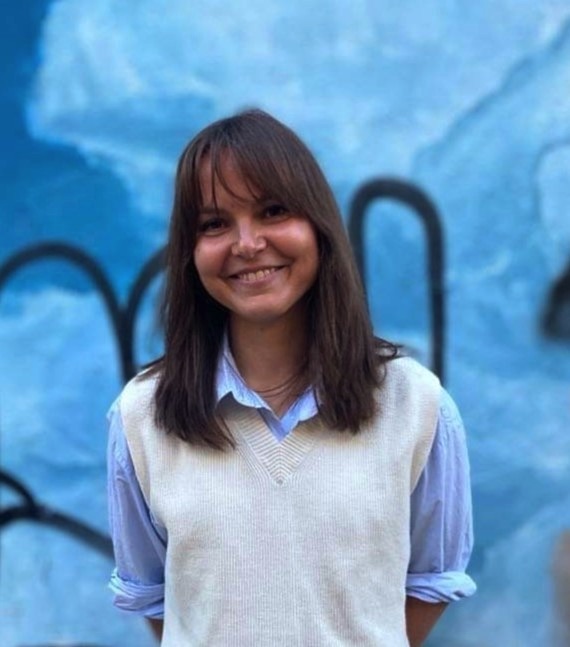 Lena Hercberga (Copenhagen Business School) holds a Doctoral degree from the University of Bristol, UK. Her current research interests include revisiting post-Soviet identity struggles, social cleavages, and democracy from alternative points of view, such as e.g., radical democracy and agonistic pluralism. Additionally, Lena is interested in self-reflexive forms of inquiry and non-conventional research methods
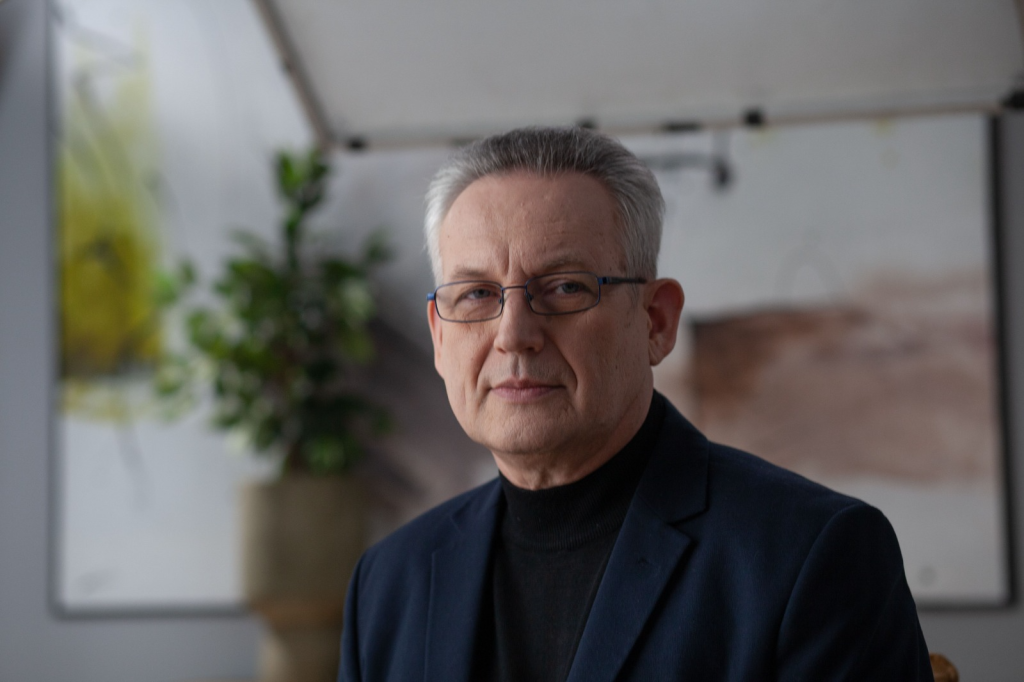 Prof. Oleg Mazuryk will be speaking on the topic of ‘Civic Engagement in the Context of the Russian War in Ukraine: Practice and Research,’ focused of his ongoing research on the phenomenon of self-organization and social cohesion within Ukrainian society. His study is done in cooperation with the Ukrainian Evaluation Association. From the full-scale invasion in Feb 2024, there was an epicenter of social activities and hostilities in the Kyiv region, near the now globally renowned town of Bucha. The intention behind this initiative is to document the first-hand experience of Ukrainian resistance to Russian aggression, aiming at making this valuable information accessible for academic and professional scrutiny. The findings of the research into the self-organization and unification of Ukrainians are derived from a comprehensive analysis of 142 in-depth interviews. It is important to note that this is a work in progress, with further insights and data yet to be gathered and analyzed. This presentation will delve into the role that civic engagement played at the onset of the full-scale invasion and how it can contribute to the further development of a sustainable and democratic society in the post-war period.
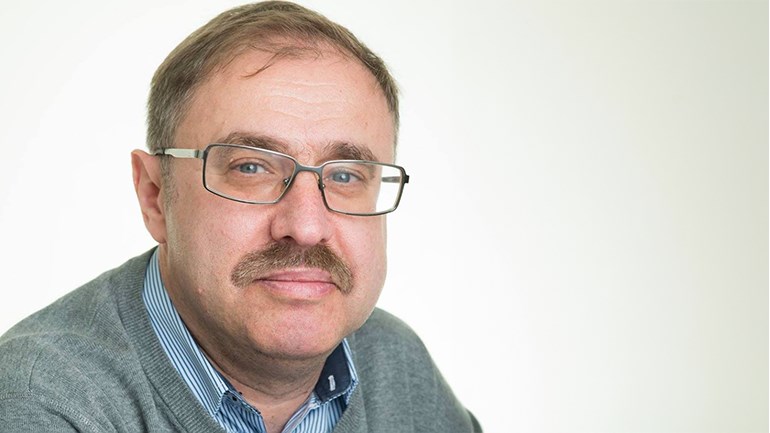 You are welcome to attend a lecture by Vladimir Gelman, professor at Aleksanteriinstitutet, University of Helsiniki, and new member of RUCARR’s Advisory Board. He will talk about ‘Why Russia Fails: Origins of the Ukrainian Catastrophe’, which also is the subjet of his coming book. The event is a collaboration with Global Europe & International Cooperation (GEIC).
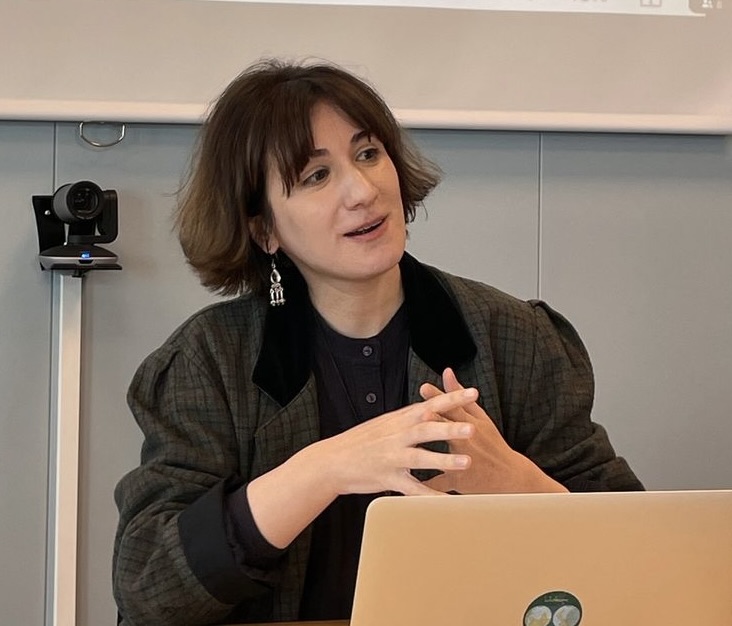 The post-Soviet wars and socio-economic crisis of the 1990s in Georgia and the North Caucasus shaped the lives of Pankisi residents, transforming the borderland region into the epicenter of tension. While Pankisi residents have kept a distinct Kist identity in Georgia, they have also maintained their ties with their Northern neighbours, and political developments in Chechnya and Ingushetia have often had a significant impact on their lives. The transition of North-Eastern Georgian borders from open to closed after the collapse of the Soviet Union unfolded in a specific way in Pankisi Gorge. This shift in border regimes coincided with the Russo-Chechen war. These events played a pivotal role in shaping their ethnic and religious identities and became an integral part of the collective memory of Pankisi Kists. It is against the backdrop of the Russo-Chechen wars and Georgia’s western-oriented geopolitical aspirations that I seek to understand the „valley of misconstrued“ by examining the formation of borderland identity at this politically and socially pivotal juncture.
 Welcome to the RUCARR seminar on May 11, 10.00-11.30 with Ass.Prof. Edward Lemon, Bush School of Government and Public Service, Texas A&M University and Dr Oleg Antonov, researcher at Södertörn University and RUCARR, Malmö University.